The most common mistakes buying property in Turkey come down to moving too fast, trusting verbal promises, and skipping the paperwork that protects a foreign buyer. Slow down, check the title deed, confirm every cost in writing, and work with a licensed real estate advisor, and most of these problems never reach you. This guide walks through the errors we see most often and how to avoid each one before you sign anything or transfer money.
Turkey remains one of the more accessible markets for international buyers, and the process is straightforward once you understand it. The trouble usually starts when a buyer applies habits from home, or assumes a smiling seller has their interests at heart. Below are the errors that cost foreign buyers the most time and money, drawn from what we see on the ground in Istanbul and the coastal regions.
What Are the Most Common Mistakes Buying Property in Turkey?
The most common mistakes buying property in Turkey are title oversights, unclear contracts, and underestimating the full cost of the purchase. Foreign buyers tend to focus on the sticker price and the photos, then discover later that the title carries a mortgage, the building lacks an occupancy permit, or taxes and fees add a meaningful amount on top. Almost all of these problems are preventable with basic checks done before money changes hands. The buyer who verifies documents and reads the contract carefully avoids the pitfalls that catch the buyer in a hurry.
In our experience advising foreign investors, the single most frequent reason a purchase goes wrong is that the buyer relied on the seller's agent alone, with no independent advisor checking the file. That one habit sits behind most of the problems below.
Mistake 1: Skipping Due Diligence on the Title Deed (TAPU)
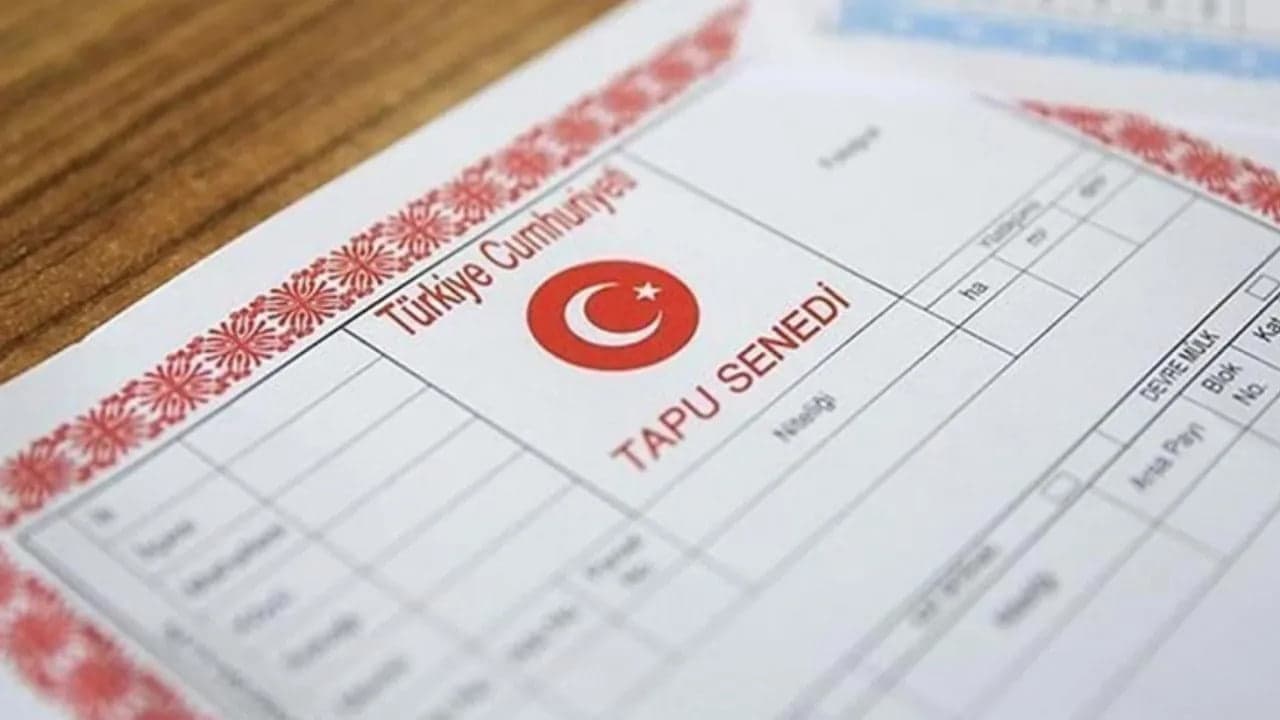
Skipping the title-deed check is the most damaging of the common mistakes buying property in Turkey. The TAPU is the official ownership document issued through the Land Registry and Cadastre Directorate (Tapu ve Kadastro Genel Mudurlugu). It records who owns the property, its exact boundaries, and any encumbrances such as a mortgage or a lien. Foreign buyers sometimes accept a seller's word that the title is clean, then learn otherwise after paying a deposit.
Before you commit, confirm that the person selling is the registered owner, that the property description on the TAPU matches what you are viewing, and that no outstanding mortgage, court annotation, or unpaid debt is attached to it. Check too that the building has its occupancy permit (iskan), which certifies the structure was completed according to its approved licence. A property without an iskan can be hard to insure, resell, or connect to utilities in your name.
Mistake 2: Trusting Verbal Promises Instead of a Written Contract
Every term you agree on should sit in the written sales contract, not in a handshake. This is one of the quieter errors, because it feels rude to distrust a friendly seller, yet verbal promises carry no weight if a dispute arises. Buyers have accepted assurances about included furniture, a promised renovation, a parking space, or a delivery date, only to find none of it written down.
Insist that the contract states the full price, the payment schedule, exactly what is included, the handover date, and the penalty if either side fails to perform. If you are buying off-plan from a developer, it should also cover what happens if the project is delayed or the finished unit differs from the plan. Have the contract translated so you understand every clause, and never sign a document you cannot fully read.
Mistake 3: Overlooking the Mandatory Property Valuation Report
A licensed property valuation report is required for foreign buyers, and ignoring it is a costly oversight. Turkey requires an official appraisal, an SPK-licensed valuation, before a foreign national completes a purchase, and the report states the property's market value as assessed by an independent expert. Some buyers treat it as a formality, but it is one of your best protections against overpaying.
If the valuation comes in well below the price you agreed, that is a signal to renegotiate or walk away. The report also matters if you are buying with citizenship in mind, because the qualifying threshold is measured against the appraised value, not simply the price on the contract. Treat the valuation as real information, not paperwork to rush through.
Mistake 4: Underestimating the Total Cost, Taxes and Fees
The purchase price is not the total cost, and budgeting for the price alone is a classic error. On top of the agreed figure, a foreign buyer typically pays a title deed transfer tax, notary and translation fees, the valuation report cost, and ongoing charges once they own the property. Planning only for the headline number leaves buyers short at the closing table.
Beyond the agreed price, plan for the costs below. These figures are accurate as of the time this article is written, and rates change, so confirm the current numbers with an advisor before you budget.
- Title deed transfer tax: around 4% of the declared value, often split between buyer and seller by agreement.
- Property valuation report: a fixed fee, and mandatory for foreign buyers.
- Notary and translation: fixed fees for power of attorney and certified translations.
- Annual property tax: a small percentage paid each year to the local municipality.
- Earthquake insurance (DASK): an annual premium, required before you can connect utilities.
Set aside a contingency on top of the price so the fees do not force a rushed decision. Knowing the full picture keeps small charges from becoming a surprise at closing.
Mistake 5: Buying Without an Independent, Licensed Advisor
Relying only on the seller's agent is the mistake that enables most of the others. The agent marketing a property is paid by, and works for, the seller, so their job is to close the sale, not to protect you. Many foreigners buying property in Turkey assume the person showing them apartments is a neutral guide, which is rarely the case.
Engage your own licensed real estate broker to represent your interests, review the title and contract, confirm the valuation, and manage the transfer at the Land Registry. A licensed brokerage in Turkey operates under the Taşınmaz Ticareti Bilgi Sistemi run by the Ministry of Trade, and you can ask any advisor for their licence number. At Bosphorus Brokers, based in Istanbul, we act for the buyer through each of these steps, which is the simplest way to keep the whole file clean from the start.
Mistake 6: Getting the Location and Rental Expectations Wrong
Buying without properly researching the location is a mistake that shows up only after you own the property. A low price in an unfamiliar district can hide a long commute, weak rental demand, or a neighbourhood that does not suit your plans. Foreigners buying property in Turkey sometimes choose a unit from photos and a short visit, without seeing the area at different times of day or checking transport, schools and amenities.
Do the groundwork on the neighbourhood
Visit in person where you can, walk the streets around the building, and ask about planned construction that could change the view or the noise. If you are buying to let, look at realistic rental yields and occupancy for that specific area rather than a citywide average. Istanbul, Antalya, Bodrum, Fethiye and Izmir each behave differently, and even neighbouring districts can vary widely.
Match the property to your real goal
Be honest about whether you are buying to live, to rent, or to hold for appreciation, because the right choice differs for each. A holiday let by the coast and a long-term family rental in the city are not the same investment. One of the most common mistakes buying property in Turkey is buying for one purpose while quietly hoping it performs like another.
Mistake 7: Rushing a Citizenship-Linked Purchase
If you are buying to qualify for Turkish citizenship, rushing the process can cost you the eligibility itself. The real estate route requires a qualifying investment, currently a minimum of 400,000 US dollars in property value as of the time this article is written, held for at least three years, with the value confirmed by the official valuation report. Buyers who focus only on hitting the number sometimes miss the conditions attached to it.
Make sure the property genuinely qualifies, that the purchase is documented correctly, and that you understand the holding period before you commit. Because the rules and the threshold can change, confirm the current requirements with an advisor rather than relying on an older figure you read online. The simplest rule for how to avoid mistakes buying property in Turkey on a citizenship file is this: verify eligibility in writing before you transfer any funds.
A Buying Property in Turkey Checklist for Foreigners
Use this buying property in Turkey checklist for foreigners as a final pass before you sign:
- Confirm the seller is the registered owner on the TAPU and the title is free of debts or liens.
- Check the building has its occupancy permit (iskan).
- Get everything, including inclusions and dates, into a written, translated contract.
- Obtain and read the official valuation report.
- Budget for taxes and fees on top of the price.
- Work with your own licensed broker, not only the seller's agent.
- Research the exact neighbourhood and your real rental or resale prospects.
Run through the list slowly. Almost every foreign buyer who follows it avoids the pitfalls that catch those who move too quickly.
How to Avoid the Common Mistakes Buying Property in Turkey
Knowing how to avoid mistakes buying property in Turkey is less about expert knowledge and more about discipline: verify the title, insist on a clear written contract, respect the valuation, budget for the full cost, use an independent advisor, and research the location before you commit. Do those things and the market is a straightforward one for foreigners. Rush them, and small oversights turn into expensive problems.
Looking to Buy, Rent, or Invest in Property in Turkey?
Bosphorus Brokers is an Istanbul-based licensed real estate brokerage that has helped foreigners buy, rent, manage and invest in property across Turkey. To discuss your own plans, reach us by phone or WhatsApp at +90 533 140 04 96, or visit us at Merkez Mahallesi Hasat Sokak No:12/2, 34384 Şişli, İstanbul. Contact us for more information.
Frequently Asked Questions
What are the most common mistakes buying property in Turkey?
The most common mistakes buying property in Turkey are skipping title-deed checks, relying on verbal promises instead of a written contract, ignoring the valuation report, underestimating taxes and fees, and using only the seller's agent. Each is avoidable with basic due diligence before any money moves.
Can foreigners legally buy property in Turkey?
Yes, foreigners can buy property in Turkey in most areas, subject to some restrictions near military zones and a limit on the total land area one person can own. The purchase is completed at the Land Registry with an official valuation report and a title deed transfer in the buyer's name.
Do I really need an independent advisor when buying?
Working with your own licensed broker is one of the clearest ways of avoiding mistakes buying property in Turkey. The seller's agent works for the seller, so an independent advisor who checks the title, contract, valuation and transfer protects your side of the deal.
What extra costs should foreign buyers budget for?
Beyond the purchase price, expect a title deed transfer tax of around 4% of the declared value, the valuation report fee, notary and translation costs, mandatory earthquake insurance (DASK), and annual property tax. These figures are accurate as of the time this article is written and should be confirmed with an advisor.
Why is the property valuation report so important?
The valuation report is an independent, SPK-licensed assessment of the property's market value, and it protects you from overpaying. It is mandatory for foreign buyers, and for citizenship-linked purchases the qualifying threshold is measured against the appraised value.
How can I avoid buying a property with title problems?
To avoid title problems, verify on the TAPU that the seller is the registered owner and that no mortgage, lien or court annotation is attached to the property. Also confirm the building has its occupancy permit before you pay any deposit.
Is buying property enough to get Turkish citizenship?
Buying property can lead to Turkish citizenship if the investment meets the qualifying value, currently a minimum of 400,000 US dollars as of the time this article is written, confirmed by the valuation report and held for at least three years. Confirm the current rules with an advisor before you commit.
About Bosphorus Brokers
Bosphorus Brokers is an Istanbul-based licensed real estate brokerage specialising in property sales, rentals, management and investment for foreigners in Turkey. We guide international clients in several languages through property search, negotiation, title deed transfer, notary procedures and after-sale management, working across Istanbul, Antalya, Bodrum, Fethiye, Izmir and Ankara. Bosphorus Brokers is run by Burak Ünal, its founder and licensed real estate broker (Taşınmaz Ticareti Bilgi Sistemi, Real Estate License No. 3408704), who holds an MSc in Finance from the London School of Economics and a BBA from Boğaziçi University. We focus on clear, responsive and professional guidance at every step.
Disclaimer: This article is for general informational purposes only and you are strongly advised to consult a professional to evaluate your personal situation. No liability is accepted that may arise from the use of the information in this article.
Citizenship by investment
Every route to a Turkish passport, compared: property, bank deposit, government bonds and the private pension system.
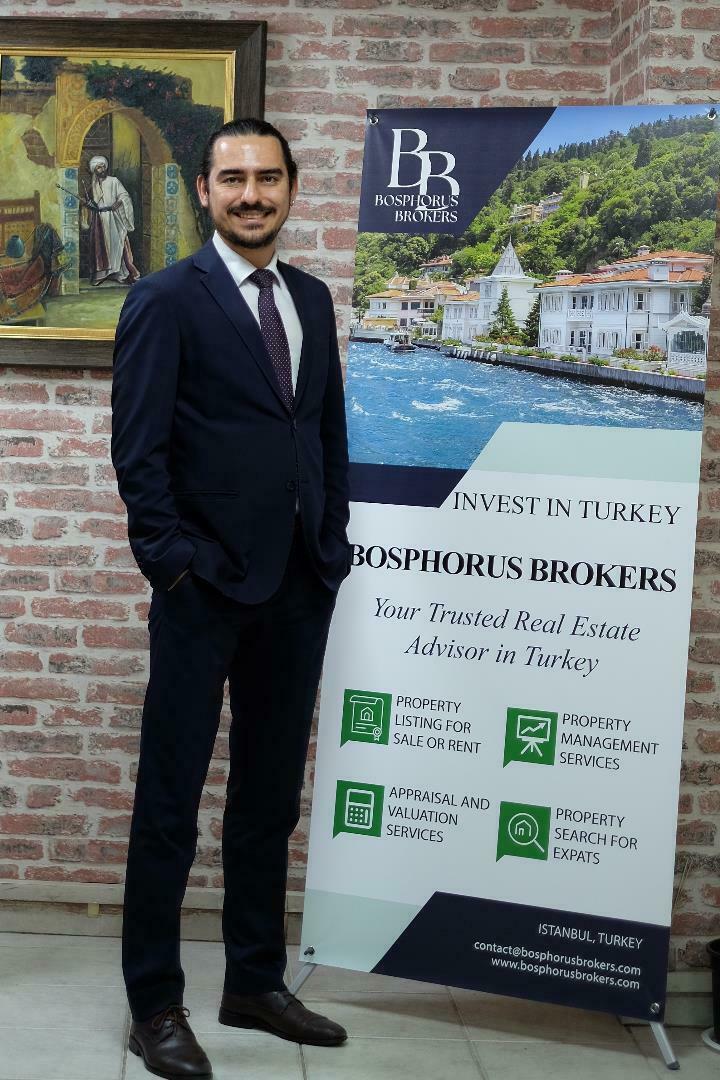
Written by
Burak Ünal
Turkish Real Estate Broker - License no. 3408704
Burak Ünal is a licensed real estate broker in Turkey (license no. 3408704) who advises Turkish and international clients on buying, selling and renting property and on Turkish citizenship by investment. He holds an MSc in Finance from the London School of Economics (2019) and a BSc in Business Management from Boğaziçi University (2016), and passed Turkey's official real estate broker licensing exam in 2021. A Chevening scholar and a Congress Member of Galatasaray Sports Club, he advises clients in English (IELTS 8.0), Turkish and French.