Quick answer
The best area depends on your goal. Established centres on rail lines, such as Şişli, Beşiktaş, Kadıköy and Üsküdar, offer the deepest tenant demand and easiest resale. New-build hubs such as Kağıthane, Başakşehir and Beylikdüzü give newer stock at lower entry prices but more competing supply. In every district, check the building's age and ground before the price.
Key takeaways
- Choose the district by goal: income, growth, residence or citizenship, or a home you will use.
- Istanbul sold 280,262 homes in 2025 (TÜİK); prices rose 26.8% and new-tenant rents 35.5% in the year to September 2026 (TCMB).
- Established centres on rail lines, such as Şişli, Beşiktaş, Kadıköy and Üsküdar, give the deepest tenant demand and easiest resale.
- New-build hubs such as Kağıthane, Başakşehir and Beylikdüzü offer newer stock at lower entry prices but compete with heavy supply.
- Check ground, building age, the building licence and the iskan for every flat; risk varies building by building.
- Any district can qualify for citizenship at USD 400,000 by official valuation; for a residence permit, check that the exact address is open to new applications.

There is no single best area to invest in Istanbul: the right district depends on whether you want rental income, capital growth, a residence or citizenship purchase, or a home. For tenant demand and easy resale, look at established centres on rail lines such as Şişli, Beşiktaş, Kadıköy and Üsküdar; for newer buildings at lower entry prices, look at new-build hubs such as Kağıthane, Başakşehir and Beylikdüzü, where competing supply is the main risk. In every district, the building's age and the ground it stands on matter as much as the address.
We compare districts on characteristics you can check, not on forecasts. Market figures are dated; confirm them before you buy.
What is the Istanbul property market doing in 2026?
Istanbul is Turkey's deepest housing market: 280,262 homes were sold there in 2025, 16.6% of the national total, 7,989 of them to foreigners (TÜİK). Prices rose 26.8% in lira in the year to September 2026, the fastest of any region but slightly below inflation of 29.73%, while rents for new tenants rose 35.5% (TCMB and TÜİK, September 2026). Endeksa's listing data put the average asking price at 63,184 TL per square metre in May 2026. No official source publishes comparable prices or yields for each district, so the table below compares what you can verify: the stock, the tenants, the transport and the risks.
How do you choose an area to invest in Istanbul?
- Goal first. Income, growth, residence or citizenship, or a home: each points to different districts.
- Rail access. Walking distance to a metro, Marmaray or ferry stop supports both rent and resale.
- The tenant and buyer pool. Jobs, universities and hospitals nearby keep demand steady.
- Building age and ground. Prefer buildings licensed after 2000 with an occupancy permit (iskan), and check ground conditions (see below).
- Supply. In a new-build hub, count the similar flats being delivered nearby: you may compete with developers for tenants and buyers.
- Exit. Ask who will buy the flat from you in five years, and why.
How do Istanbul's main districts compare?
| District | What you buy | Typical buyer and tenant | Transport | Upside | Risks |
|---|---|---|---|---|---|
| Şişli (European) | Older central flats, Nişantaşı period buildings, branded residences in Bomonti and Mecidiyeköy | Professionals, company lets | M2, M7, Metrobüs at Mecidiyeköy | Deep tenant demand, liquid resale | Older stock, high entry prices, traffic |
| Beşiktaş (European) | Bosphorus-side and Levent flats; little new supply | Executives, academics, students | M2, M6, M11 from Gayrettepe, ferries | Scarcity supports value | Low yields, older buildings, Bosphorus building limits |
| Sarıyer (European) | Bosphorus villages, Maslak towers, forest-edge sites | Wealthy families, Maslak office staff | M2 to Hacıosman, coastal road | Prestige; office demand in Maslak | High prices, car-dependent pockets, Bosphorus building limits |
| Beyoğlu (European) | Historic flats in Cihangir and Galata, regeneration projects | Visitors, creative professionals | M2, F1 funicular, T1 tram, ferries at Karaköy | Tourism and central demand | Old buildings, listed-building rules, short-let permits |
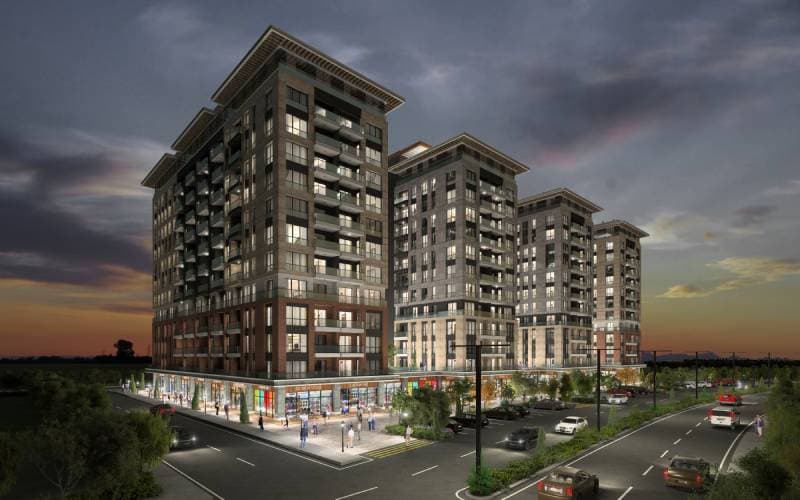
| Kağıthane (European) | New-build towers next to Levent | Professionals, citizenship buyers | M7; M11 to Istanbul Airport | Newer stock beside the business district | Many similar flats competing for tenants and buyers |
| Başakşehir (European) | Gated family sites, newer flats | Families, hospital staff | M3 metro, TEM motorway | City hospital, airport corridor | Far from the centre, heavy supply; closed to first-time residence applications since 2022 (reported reopened in 2026) |
| Beylikdüzü (European) | Newer coastal sites, larger flats for the money | Families | Metrobüs terminus, D-100 and coastal roads | Space and value per square metre | Long commute, heavy supply |
| Esenyurt (European) | The lowest entry prices, large new-build sites | Budget buyers and tenants | Roads; Metrobüs at the edge | Low entry price | Very uneven quality, slow resale; closed to first-time residence applications since 2021 |
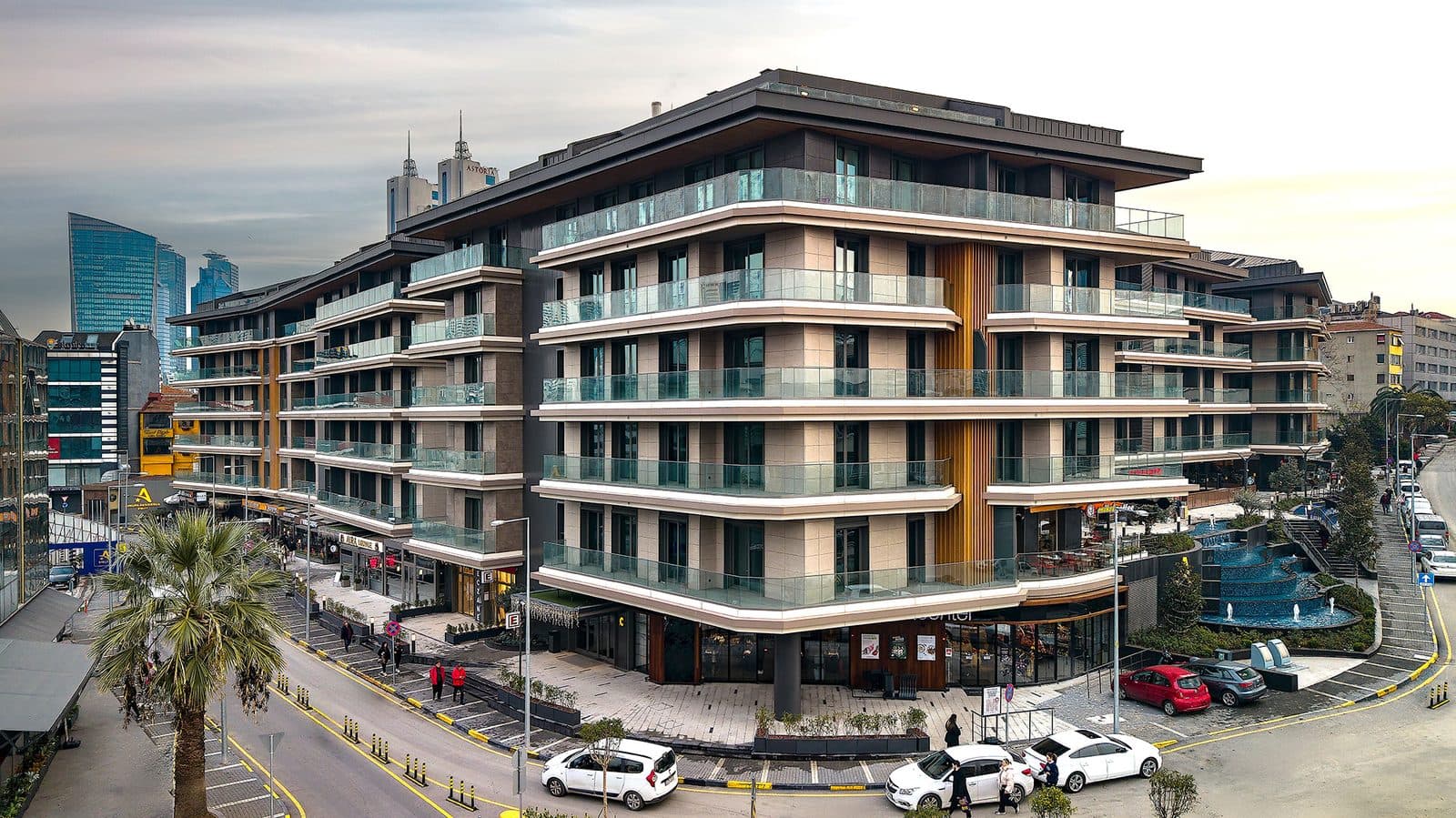
| Kadıköy (Asian) | Older flats, many being rebuilt under urban renewal; Moda, Fenerbahçe | Young professionals, families, students | M4, Marmaray, ferries | Steady demand; renewal replaces old stock | Many pre-2000 buildings, building-site disruption, high prices |
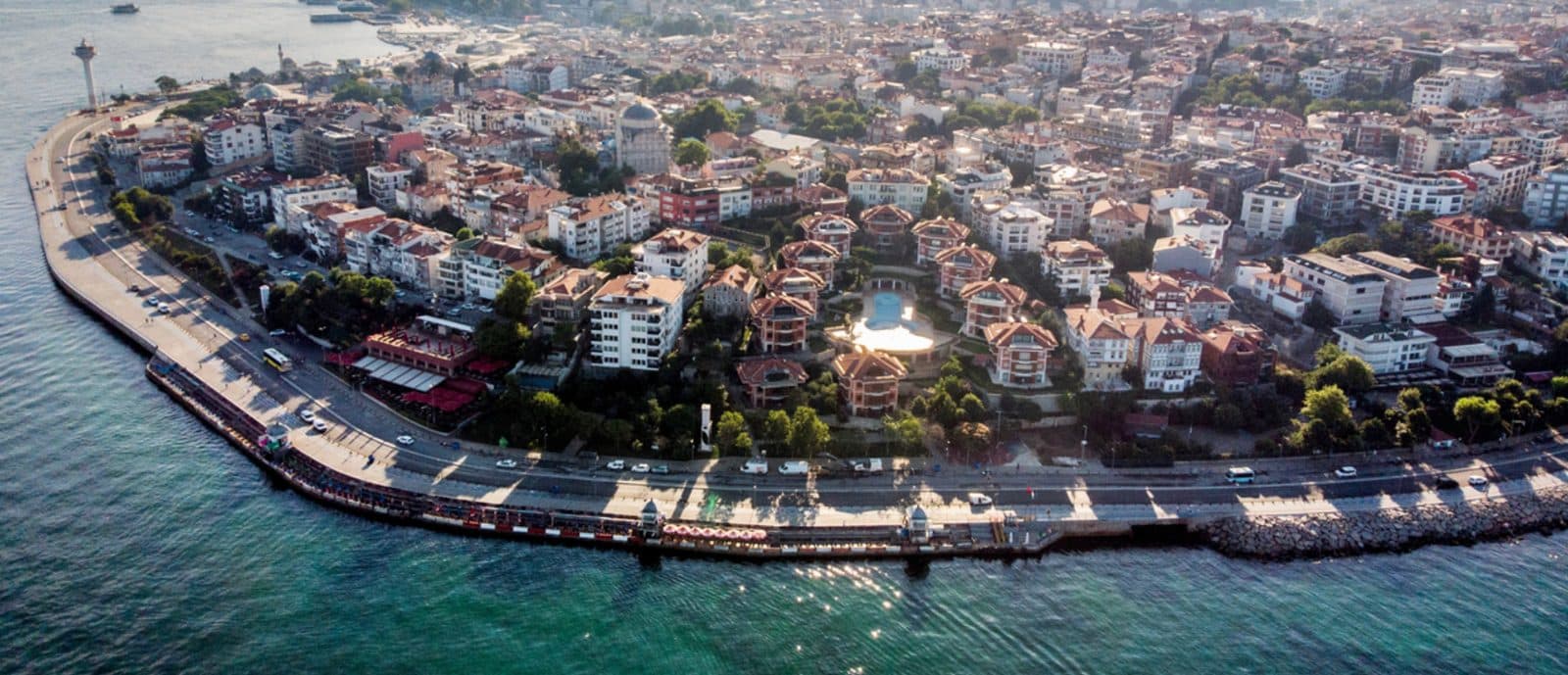
| Üsküdar (Asian) | Bosphorus-view homes and inland flats | Families, professionals | Marmaray, M5, ferries | Fast links to both sides | Older stock, Bosphorus building limits |
| Maltepe, Kartal, Pendik (Asian) | Coastal renewal projects and newer towers | Families, commuters | Marmaray, M4 | Rail along the coast, newer stock | Mixed building ages; check ground and permits |
Bosphorus building limits refer to the Bosphorus Law (No. 2960), which restricts new construction along the strait and keeps supply scarce in parts of Beşiktaş, Sarıyer and Üsküdar.
Transport in October 2026: the M7 between Mecidiyeköy and Nurtepe (including the Kağıthane and Çağlayan stations) has been closed for repairs since 27 April 2026, with reopening planned for December 2026; since June 2026 the M11 has run on from Kayaşehir in Başakşehir to Halkalı. Check the line status for the address you are considering.
Which districts suit which investment goal?
- Rental income: central districts on the business axis and the Asian-side centres, such as Şişli, Kağıthane, Kadıköy and Üsküdar, where a one- or two-bedroom flat near a station lets all year.
- Preserving capital: the Bosphorus shores of Beşiktaş, Sarıyer and Üsküdar, where supply is scarce but yields are low.
- Newer stock and growth: Kağıthane, Başakşehir, Beylikdüzü and the renewal projects along the Asian coast, where the case rests on transport and the area maturing, not on a guaranteed rise.
- A family home that can also be let: sites with security and parking in Başakşehir or Beylikdüzü, or flats near schools in Kadıköy and inland Sarıyer.
- Holiday lets: mainly Beyoğlu, and only with a permit under Law No. 7464 and the other owners' consent.
Is the European or the Asian side better for investors?
Neither is better in general. The European side holds the main business districts (Levent, Maslak, Mecidiyeköy), the historic centre, Istanbul Airport and most of the large new-build hubs, so it offers the widest choice and the most company tenants. The Asian side is more residential, with established centres in Kadıköy and Üsküdar, the Istanbul Finance Centre in Ataşehir, Sabiha Gökçen Airport, and rail along the coast on Marmaray and the M4. Marmaray and the ferries link the two sides, so a flat near a station on either side reaches the other easily.
Should you buy in a new-build hub or an established centre?
| New-build hubs (Kağıthane, Başakşehir, Beylikdüzü) | Established centres (Şişli, Kadıköy, Üsküdar) | |
|---|---|---|
| Buildings | Mostly recent, with sites, parking and newer earthquake codes | Mixed ages; many older buildings, some rebuilt under urban renewal |
| Entry price | Usually lower per square metre for newer stock | Higher, for the location |
| Tenants | Families and professionals; more competing listings | Deep, varied demand |
| Resale | Competes with developers' new stock | Usually quicker |
| Main risks | Oversupply; delivery delays if bought off-plan | Building age, renovation costs, renewal disruption |
| VAT | New builds can carry VAT unless an exemption applies | Resale between individuals generally has no VAT |
Our guide to off-plan or ready property covers the delivery risk and how to reduce it.
How do earthquake risk, ground and building age affect where you buy?
Istanbul's main earthquake hazard is the North Anatolian Fault under the Sea of Marmara, south of the city. A loss estimate prepared for the Istanbul Metropolitan Municipality (İBB) with Boğaziçi University's Kandilli Observatory (2019) expected about 48,000 buildings to be heavily or very heavily damaged in a magnitude 7.5 scenario. Risk varies building by building, so check each one rather than ruling whole districts in or out:
- Ground. İBB's microzonation maps show weaker ground, such as soft sediments and landslide-prone slopes, in parts of the southern European side, including around Avcılar and Küçükçekmece, and in pockets elsewhere. Ground can change from one street to the next.
- Age and code. Buildings licensed after 2000 were designed under the 1998 or 2007 earthquake codes and, from 2001, checked by independent building-inspection firms (Law No. 4708). Buildings licensed since 2019 follow the 2018 Turkish Building Earthquake Code.
- Permits. Ask for the building licence and the occupancy permit (iskan), and compare what was approved with what was built: removed walls or columns and added floors are warning signs.
- Older buildings. An engineer's assessment shows whether a building may be declared risky (riskli yapı) under Law No. 6306, which leads to demolition and, usually, rebuilding, with no rent in the meantime.
- Insurance. DASK, the compulsory earthquake insurance, must be valid; it covers the building up to a limit, not your whole loss.
Which areas suit residence or citizenship buyers?
Any district can work if the property meets the rules. For citizenship, the property must be worth at least USD 400,000 by official valuation, in one property or several, be held for three years with a no-sale annotation (şerh) on the title deed, and not be bought from a foreign seller. Resale homes bought from Turkish sellers can qualify; see new-build or resale for citizenship. In our experience, flats at that level are most often found in the central districts, along the Bosphorus and in the newer towers of Kağıthane.
A property-based residence permit needs a home whose price on the title deed was at least USD 200,000 at the purchase date, and you must live in it rather than let it. Check the address as well: Göç İdaresi (the migration authority) closed ten Istanbul districts, among them Başakşehir, Esenyurt, Fatih and Küçükçekmece, to first-time residence applications in 2021 and 2022. Reports in June 2026 say most have reopened, with Fatih and Esenyurt reportedly still closed, but no official notice confirms this, so check the exact address before you buy. Our citizenship by investment guide covers the full process.
How do you invest in Istanbul real estate, step by step?
- Set the goal and the budget. Add fees and taxes using our cost of buying guide.
- Shortlist two or three districts from the table, then the streets within walking distance of rail.
- Compare like with like. Use recent sales and signed rents for similar flats, not asking prices; our rental income guide shows how to turn rent into a net yield.
- Check the building and the paperwork: the title deed (tapu), debts and annotations, the iskan, building age, ground and the official valuation report (ekspertiz). Our buying guide lists each step.
- Plan the holding years: letting, management, tax and your exit.
Treat announced projects that are not yet funded and under way, such as Kanal Istanbul, as speculation, and do not pay today for transport that is only planned.
How Bosphorus Brokers can help
We work across these districts and can shortlist two or three that fit your goal, then specific flats, with recent sales, signed rents and the building checks set out side by side. For the wider case and the risks, see real estate investment in Turkey. Bosphorus Brokers is licensed by the Ministry of Trade (authorisation no. 3408704), and our fee is 2% + VAT under the written brokerage agreement, paid only on completion. Contact us for a district shortlist.
Frequently asked questions
- Which Istanbul district has the highest rental yield?
- No official source publishes yields by district, and listing-based estimates move from month to month. As a pattern, gross yields tend to be higher where prices are lower, such as the western new-build areas, and lower in prime Bosphorus districts, where prices are high relative to rents. Higher yield usually comes with slower resale and more competing flats, so compare net yield and liquidity together before you choose.
- Is it safe to buy property in Istanbul given the earthquake risk?
- The risk is real but varies from building to building. Newer buildings with a building licence, independent building inspection and an occupancy permit, on sound ground, are far better placed than older unregulated ones. Check the licence and iskan dates, the ground study and İBB's microzonation maps, get an engineer's view on older buildings and keep DASK valid. Avoid buildings with removed columns, added floors or visible damage.
- Should I buy near Istanbul Airport for capital growth?
- The airport and the M11 metro have improved access to areas such as Kağıthane, Göktürk and Kemerburgaz in Eyüpsultan, and Arnavutköy. But a new airport does not guarantee rising prices nearby: new supply is large and much of the area depends on cars. Buy close to an open M11 station, check how many similar flats are being delivered, and do not pay today for transport that is only planned.
- Is it better to buy one larger flat or two smaller ones in Istanbul?
- Two smaller flats spread tenant risk and can be sold separately, but double the paperwork, aidat and management. One larger, central flat is simpler and often easier to resell to local buyers. For citizenship, several properties can be combined to reach USD 400,000 by official valuation, but each must meet the rules. Compare net yields and exit options for both plans before deciding.
- How much do I need to invest in a good Istanbul district?
- There is no minimum, and prices vary widely within each district, so a citywide average is only a starting point: Endeksa put Istanbul's average asking price at 63,184 TL per square metre in May 2026. The amounts that shape many budgets are USD 200,000 for a residence permit and USD 400,000 by official valuation for citizenship. Add the purchase costs, which our cost of buying guide itemises.
- Are older buildings in central Istanbul a bad investment?
- Not automatically. Central older buildings often have the best locations and the deepest tenant demand, and some are rebuilt under urban renewal, which can raise their value. The risks are structural quality, repair costs and years without rent if the building is demolished and rebuilt. Price these in, ask for an engineer's assessment and check the building's permits before you commit.
Sources and legal basis
- Turkish Statistical Institute (TÜİK): house sales statistics, including sales to foreigners
- Central Bank of the Republic of Türkiye (TCMB): residential property price index, policy rate and Capital Movements Circular
- Istanbul Metropolitan Municipality, Department of Earthquake Risk Management and Urban Improvement (ground and risk maps)
- Building Inspection Law No. 4708
- Law No. 6306 on the Transformation of Areas under Disaster Risk (urban renewal)
- Bosphorus Law No. 2960
- Law No. 7464 on renting homes for tourism (short-term rental permits, since 2024)
- Land Registry Law No. 2644, Art. 35 (property purchases by foreigners)
- Turkish Citizenship Law No. 5901 and its implementing regulation (Art. 20)
- Presidency of Migration Management (residence permits)
General information, not legal or tax advice. Rules change, so check the current position for your case with an independent lawyer or tax adviser before you act.
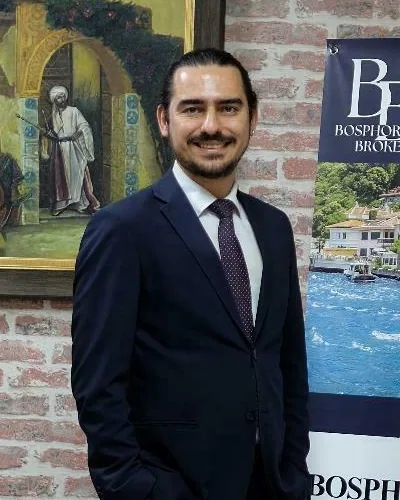
Written by
Burak Ünal
Turkish Real Estate Broker - License no. 3408704
Burak Ünal is a licensed real estate broker in Turkey (Ministry of Trade authorisation no. 3408704), licensed since 4 October 2022, the day he opened Bosphorus Brokers, his registered sole proprietorship. He handles purchases, sales and lettings of every kind for Turkish and international clients, across Istanbul and in other Turkish cities, and specialises in foreign buyers: the tax number and bank account, the currency exchange certificate (DAB), the land registry's identity declaration form, the official valuation report, the property conditions for a residence permit or citizenship, translators and powers of attorney, through to the title deed. He holds an MSc in Finance from the London School of Economics (2019) and a BSc in Business Management from Boğaziçi University (2016), and passed Turkey's official real estate broker licensing exam in 2021. A Chevening scholar and a Congress Member of Galatasaray Sports Club, he advises clients in English (IELTS 8.0), Turkish and French.