Selling property in Turkey as a foreigner is straightforward: you can sell to a Turkish citizen or another foreign buyer, and the sale is completed at the local Land Registry (Tapu Kadastro) office once the title deed is transferred and the taxes are cleared. The two things that decide how smoothly it goes are your paperwork and a current valuation report. This guide explains how foreigners sell property in Turkey, from the documents needed to sell property in Turkey to the capital gains tax you may owe and moving the money out of Turkey afterwards.
Can Foreigners Sell Property in Turkey?
Yes. A foreign owner has the same right to sell as a Turkish citizen, and the buyer can be anyone legally able to hold property in Turkey. Whether you want to sell a house in Turkey as a foreigner or a city apartment, the right is the same. Selling property in Turkey does not require you to be a resident, and you do not need to be physically present if you appoint someone through a power of attorney.
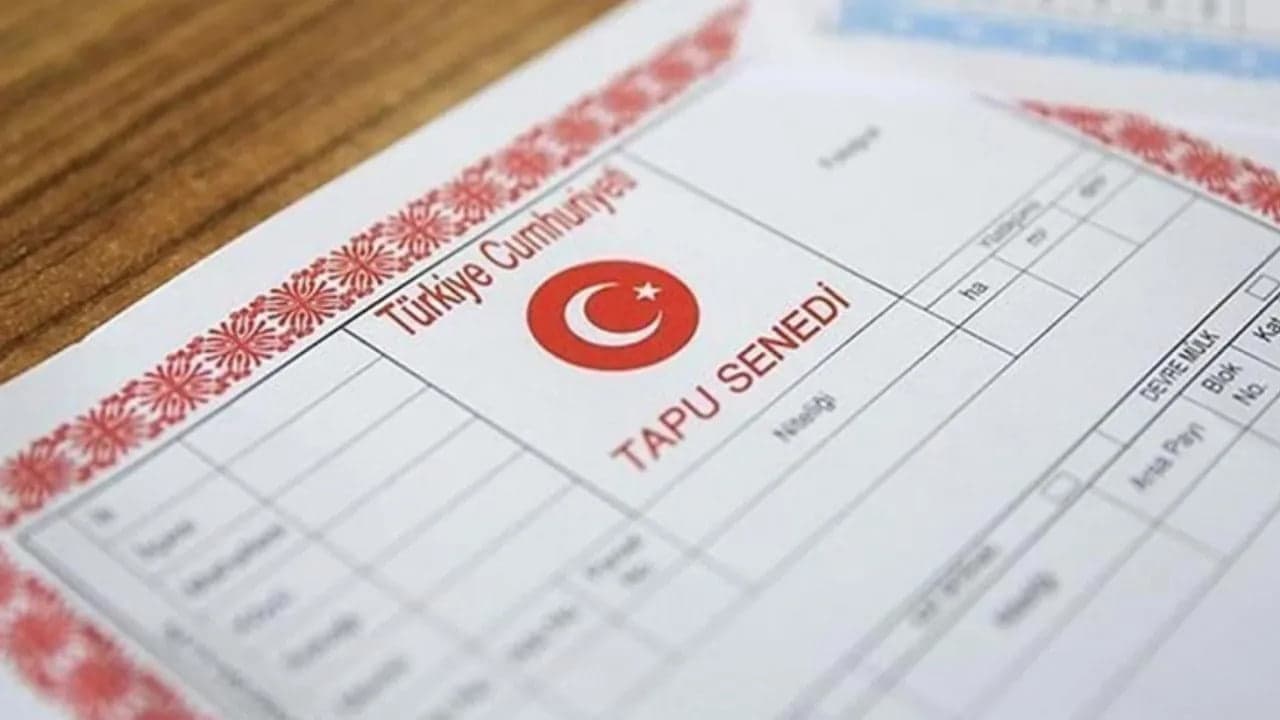
The sale is registered by the Land Registry and General Cadastre Directorate (Tapu ve Kadastro Genel Mudurlugu), the state body that keeps the official ownership record. The moment the new title deed (TAPU) is issued in the buyer's name, ownership has legally passed.
The one situation to check early is whether your property sits in a military or restricted zone, since those areas carry extra clearance rules. Most residential property held by foreigners was already cleared at the time of purchase, so this rarely affects a resale, but it is worth confirming before you list.
Documents Required for Selling Property in Turkey
The documents needed to sell property in Turkey start with a single file, and gathering it early is the single biggest time-saver. As the seller you will generally need:
- Your original title deed (TAPU) for the property.
- Your passport, and a Turkish tax number (vergi numarasi), which any tax office issues quickly.
- Passport-size photographs, usually two, requested by the Land Registry.
- A licensed property valuation report (more on this below).
- A compulsory earthquake insurance policy (DASK) that is valid and ready to transfer to the buyer.
- An up-to-date certificate showing the property has no unpaid municipal property tax, from the local municipality (belediye).
- A sworn translator at the title deed appointment if you do not speak Turkish, which the Land Registry requires.
If you cannot attend in person, a notarised power of attorney lets a trusted representative sign on your behalf. Foreign owners who live abroad often use this route, arranging the document at a Turkish consulate or, if they are in Turkey, at a local notary. In our experience advising foreign owners, the sale that closes fastest is the one where the valuation report, tax number and DASK policy are arranged before a buyer is even found.
The Title Deed Transfer, Step by Step
The title deed transfer is the legal heart of the sale, and it happens in a single appointment at the Land Registry office once both sides are ready. The process usually runs like this:
- You and the buyer agree a price and, in most cases, sign a preliminary sales agreement. A deposit is common at this stage.
- You obtain the valuation report and settle any outstanding property tax so the municipality can issue a clearance certificate.
- The buyer applies for the title deed transfer appointment and pays the title deed fee, which the two sides often split.
- At the appointment, both parties (or their representatives under power of attorney) attend with a sworn translator if needed. The registrar confirms identities, reads the terms and records the transfer.
- The new title deed is issued in the buyer's name and the sale price is paid, typically by bank transfer or a blocked-cheque arrangement that releases funds on transfer.
Payment security matters here. Handing over the title deed and receiving the money should happen together, and a bank-guaranteed instrument or an escrow-style blocked payment protects both sides. An experienced broker coordinates the timing so neither party is exposed.
Getting a Property Valuation Report
A licensed valuation report (degerleme raporu) is mandatory for a title deed transfer involving a foreign buyer or seller, and it is worth understanding why. The report is prepared by a valuation firm authorised by the Capital Markets Board of Turkey (Sermaye Piyasasi Kurulu, or SPK) and states the property's market value. The Land Registry uses it to check that the declared sale price is realistic, which protects against both under-declaration and inflated pricing.
The report is usually valid for three months and costs a few thousand Turkish lira, though the exact fee varies by property size and city as of the time this article is written. Confirm the current figure with your advisor, since valuation tariffs are reviewed periodically. Order the report early: a stale or missing report is one of the most common reasons a title deed appointment is postponed.
Capital Gains Tax When Selling Property in Turkey
Capital gains tax on a property sale in Turkey applies when you sell within five years of buying, and it is charged on the profit, not the full sale price. If you hold the property for more than five full years before selling, the gain is exempt from this tax entirely. This five-year holding rule is the single most important number for a foreign seller to plan around as of the time this article is written.
When the sale falls inside the five-year window, the taxable gain is the difference between your indexed purchase cost and the sale price, after an annual exemption threshold set by the Turkish Revenue Administration (Gelir Idaresi Baskanligi). The purchase price can be adjusted upward for inflation using the official domestic producer price index, which reduces the taxable gain, sometimes substantially. The remaining gain is taxed on a progressive scale. Because the brackets, the exemption amount and the indexing method change from year to year, treat any figure you read online as a starting point and confirm your own position with a tax advisor before you sell.
Capital gains tax on a property sale in Turkey is declared in the annual income tax return for the year of the sale, typically filed the following March. Keeping your original purchase title deed, invoices for major renovations and the valuation reports from both transactions makes calculating (and reducing) the gain far easier.
Costs and Fees When You Sell
Beyond any capital gains tax, a handful of transaction costs come with selling property in Turkey. Budgeting for them upfront avoids surprises at the Land Registry. The main ones are:
| Cost | Who usually pays | Notes |
|---|---|---|
| Title deed transfer fee | Split, or by agreement | A percentage of the declared sale value, often shared between buyer and seller. |
| Valuation report | Seller (commonly) | Mandatory SPK-licensed report; a few thousand lira. |
| Real estate agency commission | By agreement | A percentage of the sale price, set in your brokerage agreement. |
| Outstanding property tax and utilities | Seller | Cleared before transfer so the municipality issues a no-debt certificate. |
| Sworn translator and notary | Usually seller | Needed if you do not speak Turkish or sell by power of attorney. |
Percentages and tariffs shift over time, so confirm the current rates when you list. A clear brokerage agreement that states the commission and who covers each fee prevents disputes at closing.
Transferring Your Sale Proceeds Abroad
Moving the money out of Turkey after the sale is legal and routine, but it needs a paper trail. Turkish banks and the tax authorities expect you to show where the funds came from, so keep the sale contract, the new title deed and the bank receipts together. Many foreign sellers receive the price into a Turkish bank account and then transfer it to their home country in the sale currency.
Two points are worth planning for. First, if you originally brought foreign currency into Turkey to buy, a currency-conversion certificate (Doviz Alim Belgesi) from that purchase can matter for tax indexing, so locate it early. Second, exchange-rate timing affects how much you ultimately receive at home, and a bank or an advisor can explain the current transfer rules, which are updated from time to time. None of this blocks a sale; it simply rewards owners who keep their documents in order.
How Long Does Selling Property in Turkey Take?
Selling property in Turkey typically takes anywhere from a few weeks to several months, and most of that time is finding the right buyer rather than the paperwork. Once you have an agreed buyer, a valuation report and clean tax clearance, the title deed transfer itself is usually completed within one to two weeks, and the appointment day takes a couple of hours. Properties that are priced to the market, professionally photographed and marketed to the right foreign and local audiences sell markedly faster than ones left to drift.
Understanding how foreigners sell property in Turkey really comes down to two things: clean documents and a realistic price. The steps to sell a house in Turkey as a foreigner are the same as for an apartment or a commercial unit, so the checklist above applies whatever you own. Selling property in Turkey goes fastest when a licensed brokerage prepares the document file in advance, prices against a real valuation, handles buyer viewings and coordinates the closing so the payment and the title deed change hands safely on the same day.
Looking to Buy, Rent, or Invest in Property in Turkey?
Bosphorus Brokers is an Istanbul-based licensed real estate brokerage that has helped foreigners buy, rent, manage and invest in property across Turkey. To discuss your own plans, reach us by phone or WhatsApp at +90 539 415 31 39, or visit us at Merkez Mahallesi Hasat Sokak No:12A, 34384 Sisli, Istanbul. Contact us for more information.
Frequently Asked Questions
Can a foreigner sell property in Turkey to another foreigner?
Yes. A foreign owner can sell to a Turkish citizen or to another foreign buyer, provided the buyer is legally able to own property in Turkey and the property is not in a restricted zone. The sale is registered at the Land Registry the same way regardless of the buyer's nationality.
Do I have to be in Turkey to sell my property?
No. If you cannot attend the title deed appointment in person, you can appoint a representative through a notarised power of attorney, arranged at a Turkish consulate abroad or a notary in Turkey. Many foreign owners sell this way without travelling.
How much is capital gains tax when selling property in Turkey?
Capital gains tax on a property sale in Turkey applies only if you sell within five years of buying, and it is charged on the inflation-adjusted profit above an annual exemption, on a progressive scale. Hold the property more than five years and the gain is exempt. Confirm current brackets with a tax advisor.
Is a valuation report mandatory to sell?
Yes. A property valuation report from an SPK-licensed firm is required for a title deed transfer involving a foreigner. It confirms the market value, is usually valid for three months, and should be ordered before the appointment to avoid delays.
What documents do I need to sell property in Turkey?
You need the original title deed, your passport and Turkish tax number, a valuation report, a valid DASK earthquake insurance policy, a municipal certificate showing no unpaid property tax, and a sworn translator at the appointment if you do not speak Turkish.
Can I transfer the money abroad after selling?
Yes. Sale proceeds can be transferred out of Turkey legally, provided you keep the supporting documents (sale contract, title deed, bank receipts). Keeping your original currency-conversion certificate from the purchase also helps with tax indexing.
About Bosphorus Brokers
Bosphorus Brokers is an Istanbul-based licensed real estate brokerage specialising in property sales, rentals, management and investment for foreigners in Turkey. Our multilingual team guides international clients through property search, negotiation, title deed transfer, notary procedures and after-sale management, working across Istanbul, Antalya, Bodrum, Fethiye, Izmir and Ankara. The firm is led by Burak Unal, its founder and a licensed real estate broker in Turkey (Tasinmaz Ticareti Bilgi Sistemi, Real Estate License No. 3408704), who holds an MSc in Finance from the London School of Economics and a BBA from Bogazici University. We focus on clear, responsive and professional guidance at every step.
Disclaimer: This article is for general informational purposes only and you are strongly advised to consult a professional to evaluate your personal situation. No liability is accepted that may arise from the use of the information in this article.
Frequently asked questions
- Can a foreigner sell property in Turkey to another foreigner?
- Yes. A foreign owner can sell to a Turkish citizen or to another foreign buyer, provided the buyer is legally able to own property in Turkey and the property is not in a restricted zone. The sale is registered at the Land Registry the same way regardless of the buyer's nationality.
- Do I have to be in Turkey to sell my property?
- No. If you cannot attend the title deed appointment in person, you can appoint a representative through a notarised power of attorney, arranged at a Turkish consulate abroad or a notary in Turkey. Many foreign owners sell this way without travelling.
- How much is capital gains tax when selling property in Turkey?
- Capital gains tax on a property sale in Turkey applies only if you sell within five years of buying, and it is charged on the inflation-adjusted profit above an annual exemption, on a progressive scale. Hold the property more than five years and the gain is exempt. Confirm current brackets with a tax advisor.
- What documents do I need to sell property in Turkey?
- You need the original title deed, your passport and Turkish tax number, a valuation report, a valid DASK earthquake insurance policy, a municipal certificate showing no unpaid property tax, and a sworn translator at the appointment if you do not speak Turkish.