
Quick answer
Turkey pairs accessible prices and solid returns (Istanbul gross yields of about 5-7%) with two direct benefits few markets offer: a residence permit at USD 200,000 and citizenship at USD 400,000 held three years. A dynamic economy, strong tourism and diverse stock support demand; the main risks are lira volatility and policy change.
Key takeaways
- Competitive prices with Istanbul gross yields of ~5-7%.
- Residency at USD 200,000 and citizenship at USD 400,000 (held three years).
- Dynamic economy, young population and strong tourism support demand.
- Main risks - lira volatility and policy change - are manageable with good advice.
Turkey has become one of the most active property markets for international buyers, and for good reasons that go beyond price. This guide sets out the case for investing in Turkish real estate - the returns, the residency and citizenship routes, and the risks to weigh - so you can decide with clear eyes.
Competitive prices and yields
Compared with many global markets, Turkey offers accessible per-square-metre prices alongside solid rental returns. In Istanbul, gross rental yields typically run between 5% and 7%, with average prices around 63,000 to 70,000 Turkish lira per square metre in 2026. Coastal cities add strong seasonal-let demand.
Residency and citizenship
Real estate opens two powerful doors: a residence permit when the property reaches USD 200,000, and Turkish citizenship when it reaches USD 400,000 and is held for three years. Few markets pair a tangible, income-producing asset with a direct path to a second passport.
A large, dynamic economy
Turkey's strategic position between Europe and Asia, a young population, ongoing urbanisation and a powerful tourism sector all support housing demand - for owner-occupiers and for short- and long-term rentals alike. Major infrastructure, from new metro lines to airports, keeps lifting values in the districts around them.
Diversity of options
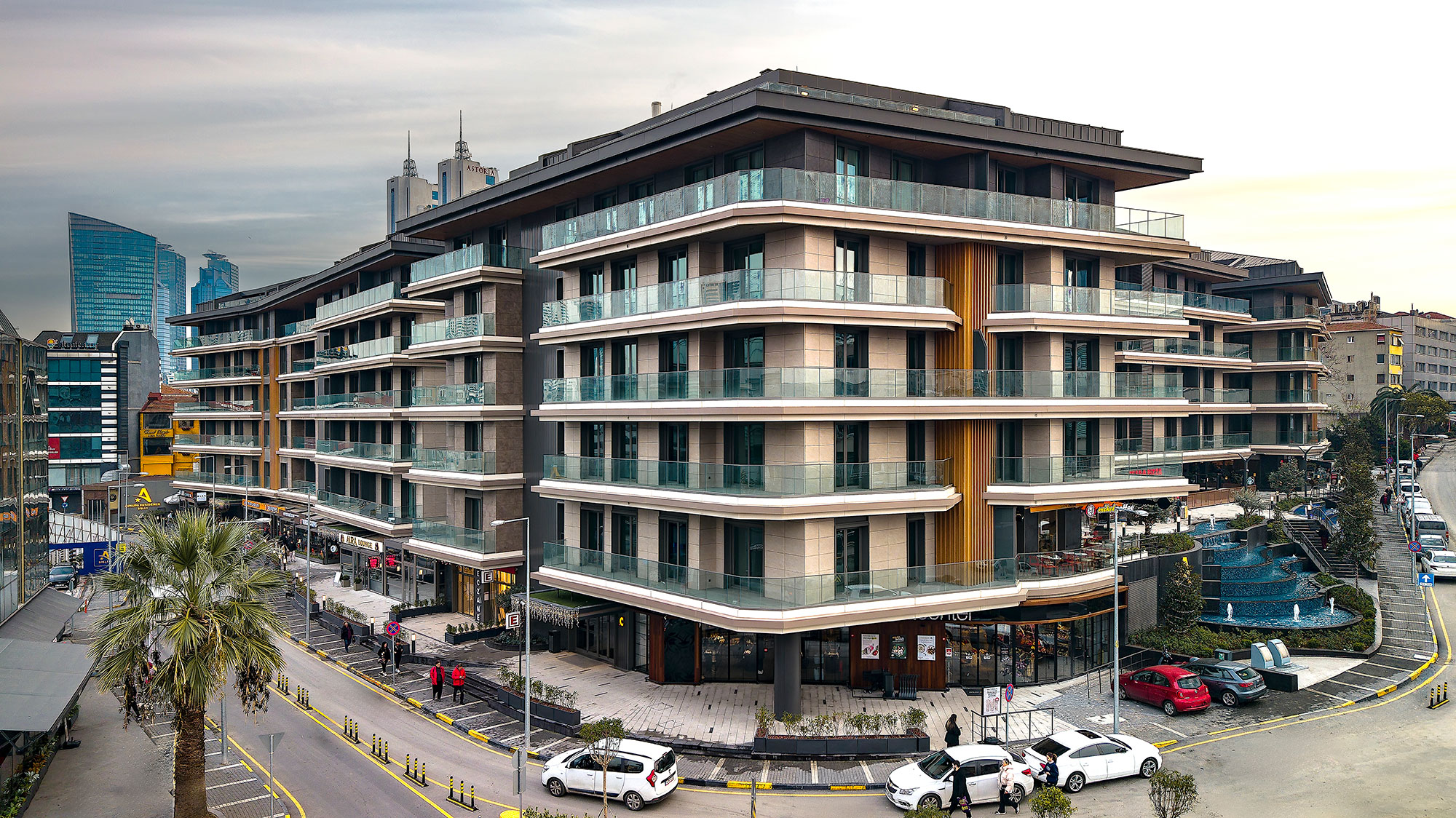
From city apartments in Istanbul to seaside villas in Bodrum and Antalya, the market offers choices for every budget and goal, making it straightforward to build a balanced property portfolio.
A tangible, currency-hedged asset
Because prices are often denominated or valued in hard currency and the asset is physical, many international investors treat Turkish real estate as a store of value, particularly in prime, supply-constrained locations.
Risks to weigh
No investment is one-sided. The Turkish lira can be volatile, which affects returns measured in foreign currency, and policy thresholds can change. Market liquidity varies by location. These risks are manageable through diversification, choosing strong locations, buying with clean title and working with a licensed adviser.
The bottom line
For buyers who want a mix of income, potential growth and the option of residency or citizenship, Turkey offers a rare combination at accessible prices. Explore current projects or speak to our licensed team to build your strategy.
Frequently asked questions
- Is Turkish real estate a good investment?
- For buyers seeking a mix of rental income (Istanbul gross yields of about 5-7%), potential growth and a path to residency or citizenship, Turkey offers a competitive combination at accessible prices.
- What are the main risks?
- Lira volatility, which affects returns in foreign currency, and possible policy changes. Both are managed through diversification, strong locations, clean title and licensed advice.
- Does buying property give residency or citizenship?
- Yes - a property worth USD 200,000 supports a residence permit, and USD 400,000 held for three years qualifies for citizenship by investment.