Quick answer
Beşiktaş is Istanbul's prime Bosphorus district, from Ortaköy, Arnavutköy and Bebek on the shore to Etiler, Ulus and Levent inland. Prices are among the highest in the city and yields are below average, so it suits buyers seeking location and long-term value. The Bosphorus Law (No. 2960) limits building on the shore. Foreigners can buy freely, and the district is not closed to new residence permits.
Key takeaways
- Beşiktaş combines the Bosphorus villages of Ortaköy, Arnavutköy and Bebek with the inland neighbourhoods of Etiler, Ulus, Akatlar and Levent.
- It regularly ranks among Istanbul's most expensive districts, far above the city average of 63,184 TL per square metre (Endeksa, May 2026).
- Gross yields are usually below the city average of about 7.7%, so buy here for location and scarcity rather than income.
- On the shore and in the foreground zone, the Bosphorus Law (No. 2960) bars new housing and limits rebuilding and extensions.
- Check the building's age, the ground, the title type and the parcel's Bosphorus zone before you buy; much of the housing predates 2000.
- Beşiktaş is not among the districts closed to new residence permits, and a resale home bought from a Turkish seller can qualify for citizenship.

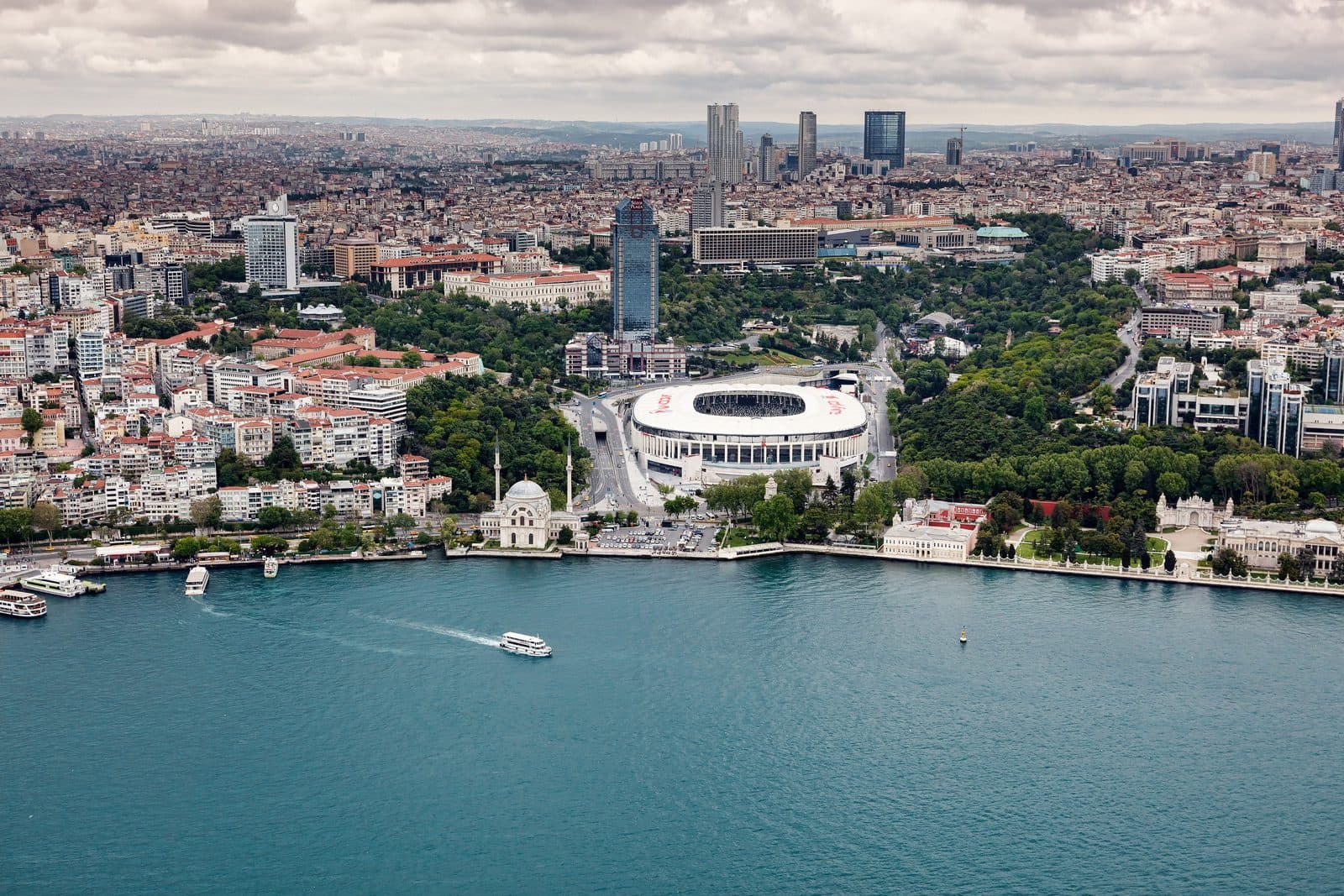
Beşiktaş is Istanbul's prime European-side district on the Bosphorus, running from the ferry piers of Beşiktaş centre past Ortaköy, Arnavutköy and Bebek, and up the hill to Etiler, Ulus and the Levent business district. It suits buyers who put location, scarcity and long-term value ahead of rental yield: prices are among the highest in the city and new building is limited, above all on the shore, where the Bosphorus Law (No. 2960) restricts construction. Foreigners can buy freely here, and Beşiktaş is not one of the Istanbul districts closed to new residence permits.
What is Beşiktaş like, and who does it suit?
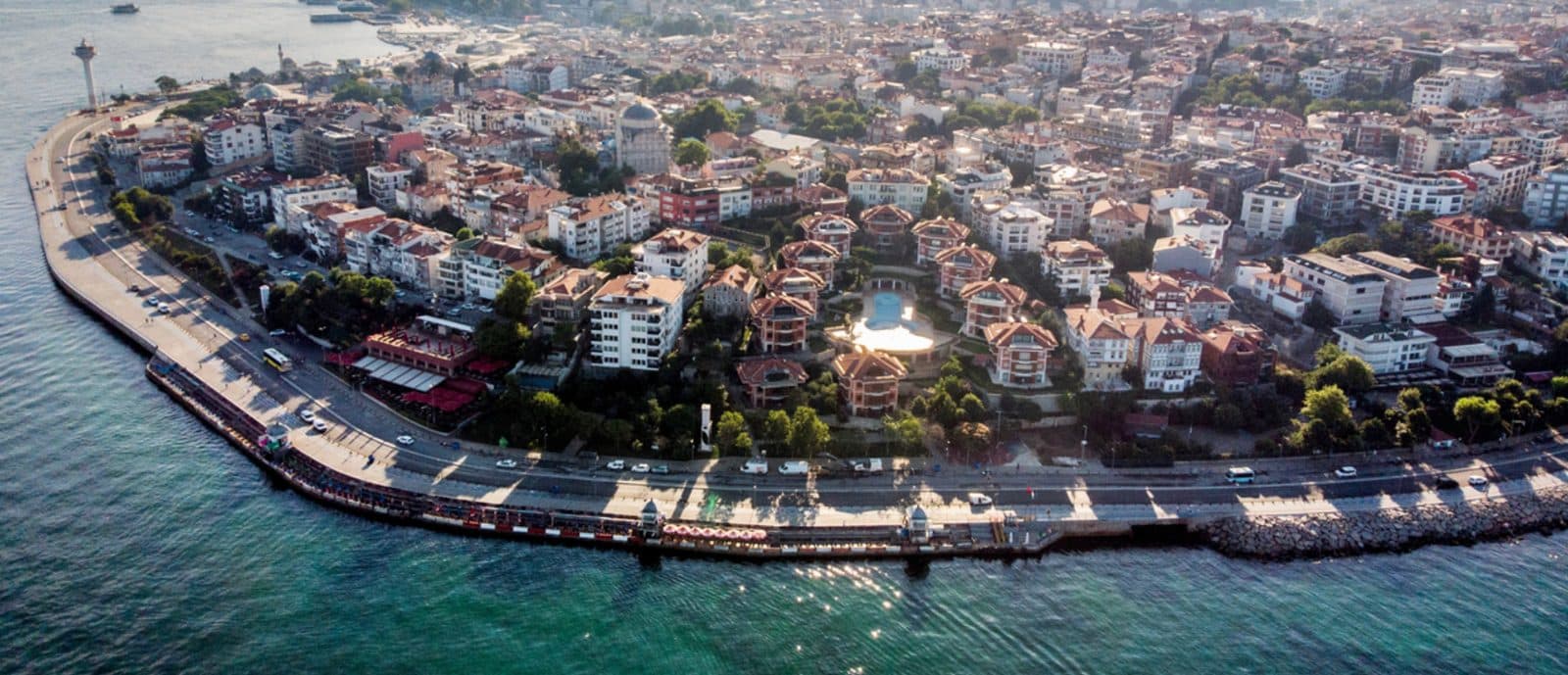
Beşiktaş has three faces. On the shore are the old Bosphorus villages, with waterfront mansions (yalı) and ferry piers. On the ridge behind are neighbourhoods developed largely from the late 1940s, starting with the planned Levent housing estate and spreading to Etiler, Ulus and Akatlar. At the southern end is Beşiktaş centre, a busy market quarter around the ferry pier and the football stadium.
Beşiktaş tends to suit:
- Buyers preserving capital who want a scarce address and accept a low yield.
- Families wanting flats with parking near schools in Etiler, Ulus and Akatlar.
- Bosphorus buyers who accept old buildings and strict planning rules for a view or a waterfront home.
Which Beşiktaş neighbourhoods should you consider?
Everyday names differ from the official neighbourhoods (mahalle, the smallest administrative unit): Akatlar is officially Akat, the Beşiktaş side of Fulya is Dikilitaş, and Levent as a business district spreads over the border into Şişli and Kağıthane.
| Area | What you find | Typical buyer or tenant | Transport | Watch for |
|---|---|---|---|---|
| Bebek and Arnavutköy | Village streets, yalıs, older apartment buildings on the slopes | Wealthy families, executives, academics | Ferries, coastal buses; M6 up the hill | Bosphorus Law limits, parking, the district's highest prices |
| Ortaköy and Kuruçeşme | Waterfront streets by the Bosphorus Bridge, nightlife | Professionals, visitors | Coastal buses, Ortaköy pier | Night-time noise, Bosphorus Law |
| Etiler, Ulus, Akatlar, Nisbetiye and Levent | Flats from the 1960s onwards, gated sites, villas, the Levent estate's low-rise houses | Families, executives | M6 at Etiler and Nispetiye; M2 and M6 at Levent | Car-dependent streets, building age, few homes for sale in Levent |
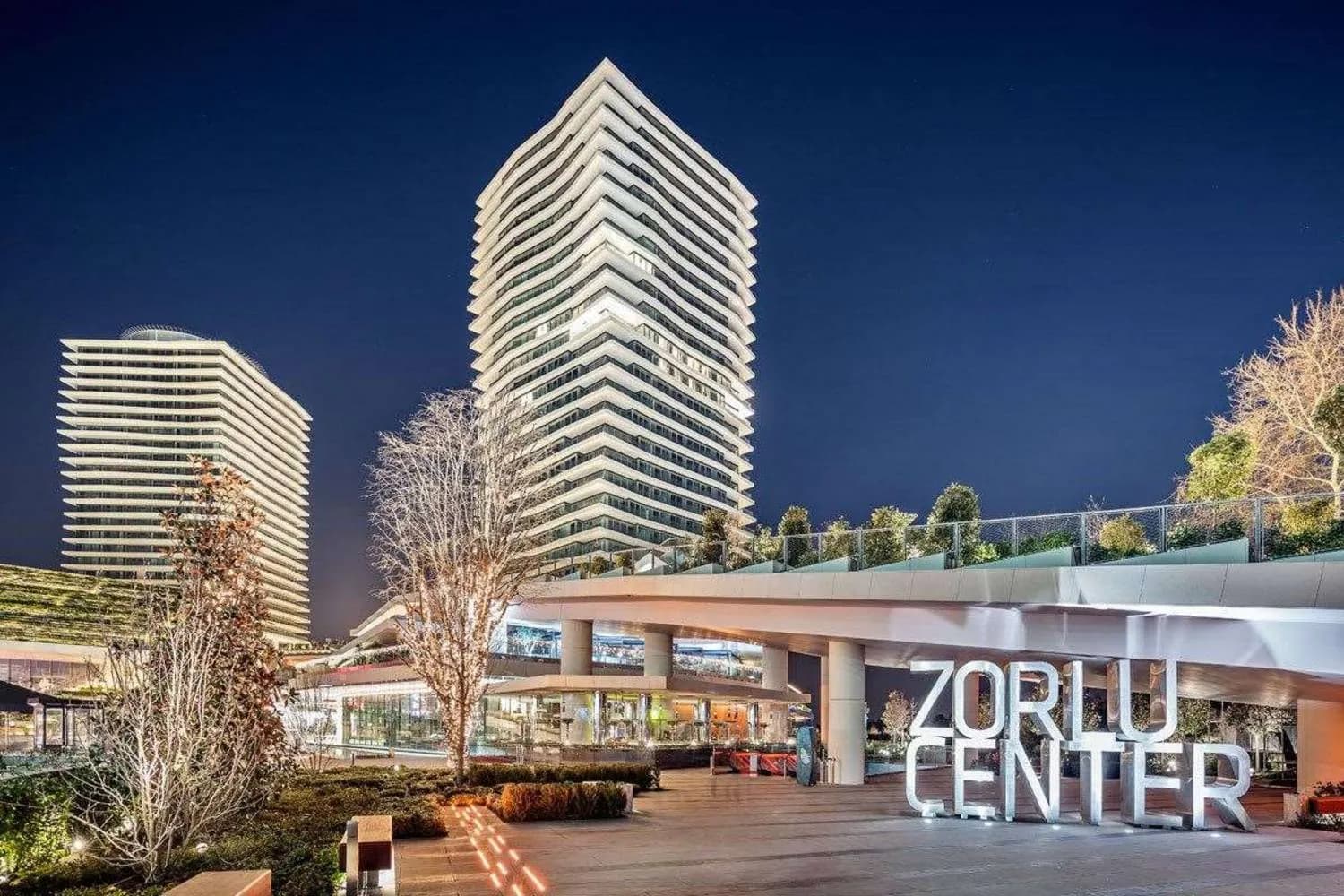
| Gayrettepe, Balmumcu, Dikilitaş and Levazım | 1970s to 1990s blocks, residence towers such as Zorlu Center | Professionals, company lets | M2 and M11 at Gayrettepe, Metrobüs at Zincirlikuyu | Registered use in mixed-use towers |
| Beşiktaş centre and Yıldız | Older walk-up blocks around the market and the stadium | Students, young professionals | Ferries, buses, M7 at Yıldız | Building age, ground in former stream beds |
How much does property cost in Beşiktaş?
Beşiktaş is the most expensive district in Istanbul on Endeksa's July 2026 figures: an average asking price of 177,301 TL per square metre, about 2.8 times the Istanbul average of 63,907 TL in the same data. No official source publishes district prices, so treat these as asking-price indicators. Within the district, Endeksa's ranking published in June 2025 put Etiler and Levazım second and third among Istanbul neighbourhoods per square metre, behind Harbiye in Şişli; rankings reported in the Turkish press in July 2026 put Bebek first and Etiler second.
A 1980s flat in Balmumcu and a Bosphorus-view home in Bebek are different markets, and yalı sales are rare, private and priced one by one. Across Istanbul, prices rose 26.8% in lira in the year to September 2026 (TCMB), slightly below inflation. Value a property on recent sales nearby and on the official valuation report (ekspertiz), and check how well a view is protected: the Bosphorus limits protect views far better than inland plans, where a new tower can appear.
What rent and yield can you expect in Beşiktaş?
Rents in Beşiktaş are among the highest in Istanbul, but gross yields are usually below the city average because prices are higher still. Endeksa's payback period for Istanbul, 13 years in May 2026, implies about 7.7% gross on asking prices; in our experience, prime Beşiktaş property earns well below that. Tenants include executives, academics and students from the district's universities, and families choosing particular schools.
A worked example (illustration only)
Take a three-bedroom flat in Etiler bought for 30,000,000 TL and let for 110,000 TL a month. A full year's rent is 1,320,000 TL, a gross yield of 4.4%; after an empty month, management, property tax and upkeep it is nearer 3.3% before income tax. The figures are assumptions, not market data, but the pattern holds: here you buy scarcity more than income. Our rental income guide shows the costs line by line, and short lets need a permit under Law No. 7464.
How does the Bosphorus Law affect buying in Beşiktaş?
The Bosphorus Law (Law No. 2960 of 1983) protects the cultural, historic and natural character of the Bosphorus. In Beşiktaş it covers the shore, including Ortaköy, Kuruçeşme, Arnavutköy and Bebek, and the slopes behind it, and it divides this Bosphorus Area into zones:
- The shoreline strip (kıyı ve sahil şeridi) and the foreground view zone (öngörünüm bölgesi), facing the water: no new housing may be built, and work on existing buildings needs permission from İBB's Bosphorus Planning Directorate (Boğaziçi İmar Müdürlüğü).
- The backview zone (geri görünüm bölgesi) behind it: homes may be built within low limits, which the law sets at 15% site coverage and four storeys (12.50 metres).
- The influence zones (etkilenme bölgesi) further back: the same 15% coverage and up to five storeys (15.50 metres).
What this means for a buyer:
- Scarcity. Few new homes can be built on the shore, which supports demand for existing ones but does not guarantee prices.
- No extra floors. Unauthorised additions, such as enclosed balconies or extra floors, can lead to fines or demolition orders, so compare the property with its approved plans.
- Harder rebuilding. If an old building is declared risky under Law No. 6306, the new one remains subject to the Bosphorus limits, so it may not be possible to rebuild at the same size.
- Listed buildings. Many yalıs and older villas are registered cultural property, so restoration needs the conservation board's approval and costs more.
- Check the zone first. Ask for the parcel's zoning status document (imar durumu), which shows its zone and any conservation status, and have a lawyer review it.
How do you get around from Beşiktaş?
- M2 Yenikapı-Hacıosman: Gayrettepe and Levent, for Şişli and Taksim to the south and Maslak to the north.
- M6 Levent-Boğaziçi Ü./Hisarüstü: from Levent through Nispetiye and Etiler to Hisarüstü, above Boğaziçi University.
- M11: from Gayrettepe to Istanbul Airport, extended to Halkalı in June 2026.
- M7 Yıldız-Mahmutbey: from Yıldız through Fulya to Mecidiyeköy, whose station has been closed for tunnel repairs since 27 April 2026, with reopening planned for December 2026. An extension to Beşiktaş and Kabataş is under construction, due in 2027 or 2028 on İBB's schedules, so do not pay for it in today's price.
- Metrobüs: at Zincirlikuyu, linked underground to Gayrettepe station.
- Ferries: from Beşiktaş pier to Üsküdar and to Kadıköy (about 20 minutes); the smaller piers at Ortaköy, Arnavutköy and Bebek have less frequent services.
- Roads: the coastal road is slow at peak times, and parking in Bebek, Arnavutköy and Beşiktaş centre is scarce.
Is Beşiktaş a good place to live?
For many residents it is Istanbul's most attractive address, at a price: old buildings, coastal traffic and, in Beşiktaş centre, match-day crowds at the football stadium.
- Education: Boğaziçi University in Bebek, Yıldız Technical University's Yıldız campus, Galatasaray University in Ortaköy and Bahçeşehir University's Beşiktaş campus; Robert College, a historic private high school, in Arnavutköy; and MEF International School in Ulus.
- Hospitals: private ones include Liv Hospital Ulus and Acıbadem Fulya on Hakkı Yeten Caddesi; Şişli's large public hospitals are a short drive away.
- Daily life: the fish market and shops of Beşiktaş centre, Yıldız Park, the Dolmabahçe and Çırağan palaces, the Bebek shore and Akmerkez in Etiler.
What else should you check before buying in Beşiktaş?
- Building age. Much of the housing predates 2000. Prefer buildings licensed after 2000 (1998 or 2007 earthquake codes, with independent inspection under Law No. 4708 from 2001) or since 2019 (the 2018 Turkish Building Earthquake Code), and have older ones surveyed by an independent engineer.
- Ground. Most of the district stands on rock of the Thrace (Trakya) formation, often under a layer of clay, and the İBB and Kandilli Observatory loss estimates for each district (2020) expect a smaller share of badly damaged buildings here than in many southern coastal districts. Geological engineers still point to weaker ground in former stream beds, such as Ihlamurdere and the valley from Fulya down to Beşiktaş square. Check İBB's maps for the parcel.
- Risky-building status. Search the address in the e-Devlet risky building (riskli yapı) query: urban renewal (kentsel dönüşüm) under Law No. 6306 means demolition and years without rent.
- Title. The title deed (tapu) should show full condominium ownership (kat mülkiyeti) rather than construction servitude (kat irtifakı). Older houses, villas and yalıs are often held in shares by several owners (hisseli tapu): every co-owner must sign, and the others may have a right of pre-emption if a share is sold to an outsider.
Can a Beşiktaş property get you residence or citizenship?
Residence permit. A home whose price on the title deed was at least USD 200,000 at the Central Bank rate on the purchase date can support a short-term residence permit, provided you live in it rather than let it and the title registers it as a home. Beşiktaş is not among the ten Istanbul districts that Göç İdaresi, the migration authority, closed to first-time applications (Avcılar, Bahçelievler, Bağcılar, Başakşehir, Esenler, Esenyurt, Fatih, Küçükçekmece, Sultangazi and Zeytinburnu); reports in June 2026 said most of those had reopened, with Fatih and Esenyurt reportedly still closed, but we found no official notice. A neighbourhood can also close when foreign residents pass a 20% quota, so confirm the exact address; see our residence permit guide.
Citizenship. Property worth at least USD 400,000 by official valuation, held for three years with a no-sale annotation on the title deed, can support an application. Most Beşiktaş purchases are resale homes: one bought from a Turkish seller can qualify, one bought from a foreign seller cannot. See new-build or resale property for citizenship.
Who should look elsewhere?
- Income-first investors: Şişli offers deeper tenant demand at yields closer to the city average.
- Buyers wanting a new building with a pool and parking for less: the towers of Kağıthane or of Maslak in Sarıyer, which also has forest-edge sites and Bosphorus villages further north.
- Bosphorus buyers on a tighter budget: the Asian shore in Üsküdar, such as Kuzguncuk and Çengelköy, where prices are usually lower.
- Buyers who want a lively, walkable residential centre rather than prestige: Kadıköy.
Which Beşiktaş projects can we help you with?
New projects are rare here, so most sales are resale; we act as an independent broker, not a developer's sales office. Completed buildings where we help clients buy, sell and rent include:
- Zorlu Center Residences: terrace flats and tower homes in the Zorlu Center complex at Zincirlikuyu, completed in 2013.
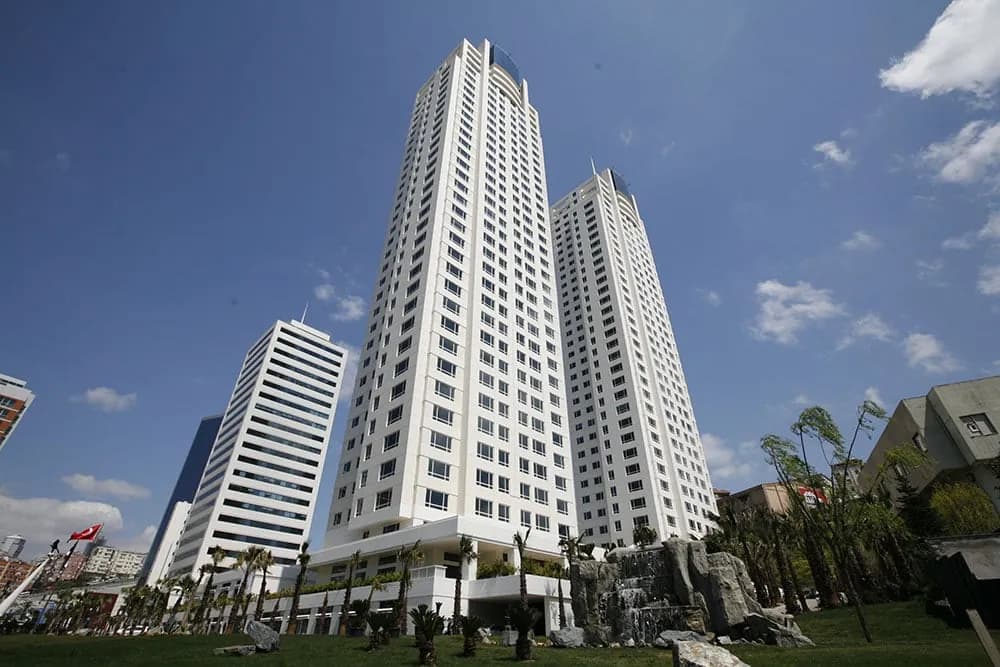
- Selenium Twins: two 35-storey residential towers in Dikilitaş, the Beşiktaş side of Fulya, completed in 2009.
For each property we check the title, zone, valuation and building records before you commit; our property purchase service explains how. Bosphorus Brokers is the trading name of Burak Ünal, a broker licensed by the Ministry of Trade (authorisation no. 3408704), and our fee is 2% + VAT under the written brokerage agreement, paid only on completion. Contact us to search Beşiktaş discreetly for your budget.
Frequently asked questions
- Is Levent in Beşiktaş or Şişli?
- Levent is an official neighbourhood of Beşiktaş, home to the planned Levent housing estate begun in 1947. The business district that carries the name, along Büyükdere Caddesi, spreads across the borders: some towers stand in Şişli's Esentepe and parts of 4. Levent are in Kağıthane. The title deed names the neighbourhood and district, which matter for property tax, permits and the residence address check.
- Can a foreigner buy a yalı on the Bosphorus?
- Yes, the same rules apply as for any property, but a yalı needs more checks. Most are registered cultural property, so restoration needs conservation board approval; the Bosphorus Law limits any enlargement; and many are held in shares by several owners, all of whom must sign. Budget for high upkeep and a long search, because few come to market and each is priced individually.
- Can you add a floor or extend a house in the Bosphorus area?
- Generally not beyond what the zone allows. On the shoreline and in the foreground view zone, no new housing may be built and works on existing buildings need permission from İBB's Bosphorus Planning Directorate. Inland zones allow low-rise homes within set coverage and height limits. Unauthorised extensions can lead to fines or demolition orders, so compare the house with its approved plans before buying.
- Are there new-build projects in Beşiktaş?
- Very few. Most of the district is built up, and the Bosphorus Law limits construction on the shore, so new homes come mainly from towers along the Zincirlikuyu and Levent axis and from urban renewal of older blocks. Most purchases are resale. For citizenship that is fine if the seller is Turkish, but a home bought from a foreign seller does not qualify.
- Is Bebek or Etiler better for a family?
- Etiler, with neighbouring Ulus and Akatlar, usually suits families better: more flats with parking, gated sites, shopping centres, the M6 metro and schools nearby. Bebek offers the Bosphorus shore, cafés and village life, but older buildings, steep streets, scarce parking and heavy traffic on the coastal road. Many families choose Etiler for daily life and visit Bebek at weekends.
- Do Bosphorus-view homes in Beşiktaş hold their value?
- Scarcity and steady demand have supported them, but there is no guarantee. Prices are in lira, so returns in your own currency depend on the exchange rate, and the market for expensive homes is narrow, so selling can take months. Buy for the long term, check that the view is protected by the zone rules, and value the property on recent sales rather than asking prices.
Sources and legal basis
- Bosphorus Law No. 2960
- Law No. 2863 on the Conservation of Cultural and Natural Property
- Land Registry Law No. 2644, Art. 35 (property purchases by foreigners)
- Condominium Law No. 634
- Law No. 6306 on the Transformation of Areas under Disaster Risk (urban renewal)
- Building Inspection Law No. 4708
- Istanbul Metropolitan Municipality, Department of Earthquake Risk Management and Urban Improvement (ground and risk maps)
- İBB: landslide awareness booklet for Beşiktaş, Beyoğlu, Fatih, Kağıthane and Şişli
- Presidency of Migration Management (residence permits)
- Turkish Citizenship Law No. 5901 and its implementing regulation (Art. 20)
General information, not legal or tax advice. Rules change, so check the current position for your case with an independent lawyer or tax adviser before you act.
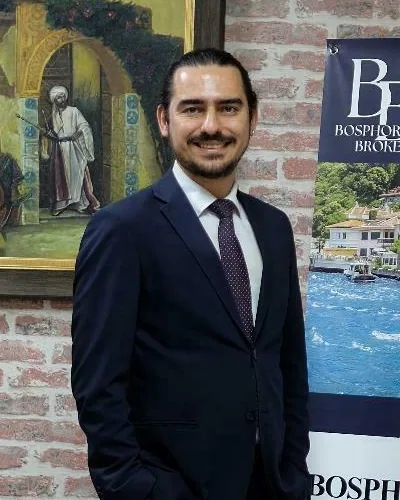
Written by
Burak Ünal
Turkish Real Estate Broker - License no. 3408704
Burak Ünal is a licensed real estate broker in Turkey (Ministry of Trade authorisation no. 3408704), licensed since 4 October 2022, the day he opened Bosphorus Brokers, his registered sole proprietorship. He handles purchases, sales and lettings of every kind for Turkish and international clients, across Istanbul and in other Turkish cities, and specialises in foreign buyers: the tax number and bank account, the currency exchange certificate (DAB), the land registry's identity declaration form, the official valuation report, the property conditions for a residence permit or citizenship, translators and powers of attorney, through to the title deed. He holds an MSc in Finance from the London School of Economics (2019) and a BSc in Business Management from Boğaziçi University (2016), and passed Turkey's official real estate broker licensing exam in 2021. A Chevening scholar and a Congress Member of Galatasaray Sports Club, he advises clients in English (IELTS 8.0), Turkish and French.